Scissor Lift vs Boom Lift: Which Aerial Equipment Rental Solution is Right for Your Project?
When planning a construction, maintenance, or industrial project, one of the most critical decisions you’ll face is selecting the right aerial equipment. Two of the most common options are scissor lifts and boom lifts. While both provide elevated work platforms, their design, functionality, and ideal applications differ significantly. This guide breaks down the key differences, helps you evaluate your project requirements, and explains how a dedicated rental partner like HIH Rentals can streamline your procurement process.
Understanding the Core Challenge: Vertical vs. Reaching Access
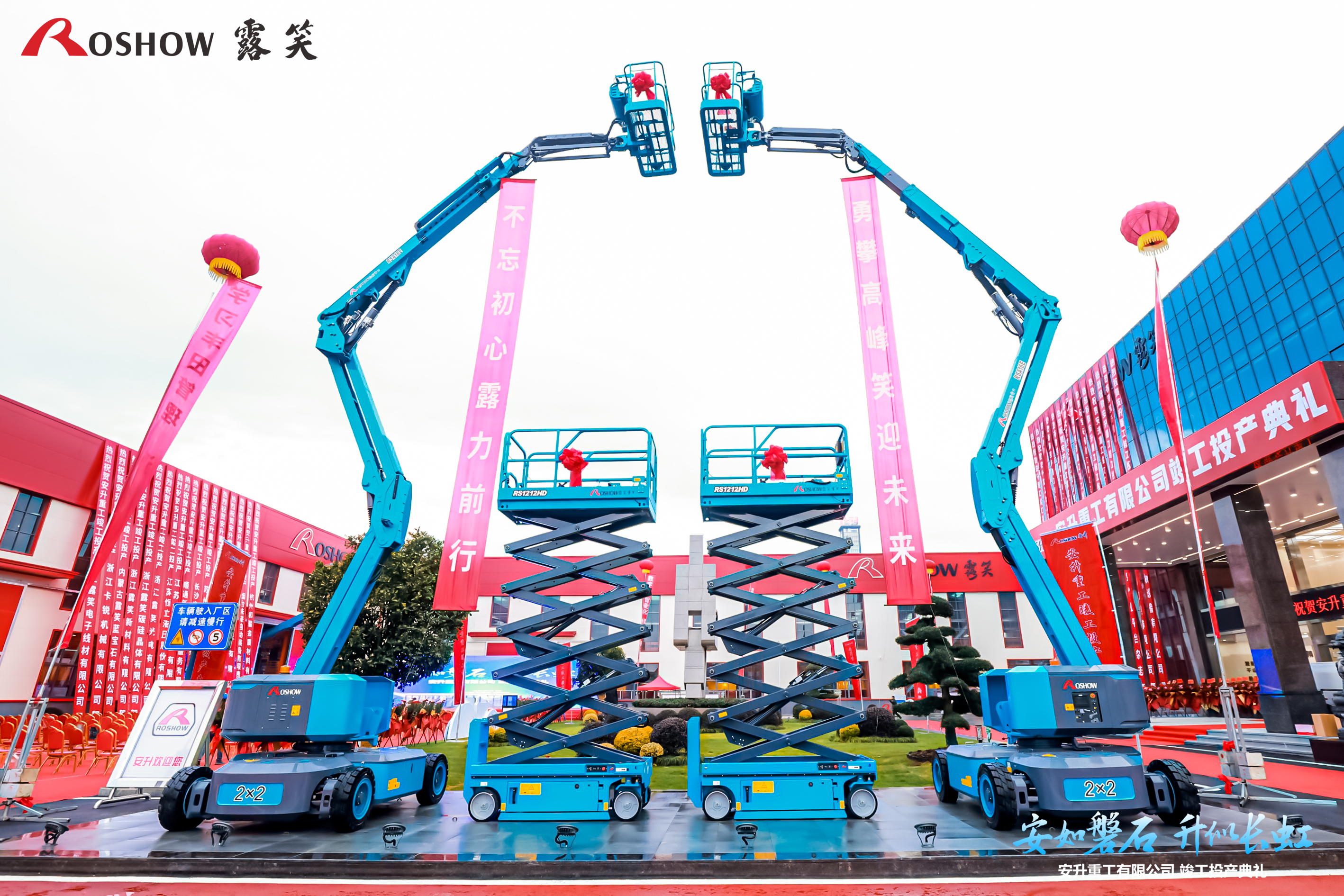
At the heart of the scissor lift vs boom lift debate is the type of access your project demands. A scissor lift provides strictly vertical elevation—its platform moves straight up and down using a crisscrossing set of support arms. This makes it ideal for tasks that require working directly above a fixed point, such as installing ceiling grids, painting large flat surfaces, or stocking warehouse shelving.
A boom lift, on the other hand, offers both vertical and horizontal reach. It consists of an articulating or telescopic arm that can extend over obstacles, making it the go-to choice for outdoor construction, facade work, tree trimming, and any scenario where the work area is not directly beneath the equipment.
Industry Context: Why the Right Choice Matters
Choosing the wrong type of aerial equipment can lead to significant inefficiencies. For indoor projects with tight spaces and smooth floors, a scissor lift offers better maneuverability and a larger platform capacity. For outdoor or uneven terrain, a boom lift—especially a rough-terrain model—provides the stability and reach necessary to navigate obstacles. Moreover, rental costs differ: scissor lifts are generally more economical to rent, while boom lifts command a premium due to their advanced hydraulic systems and versatile arm configurations.
In 2026, the aerial equipment rental market continues to emphasize safety, productivity, and total cost of ownership. Leading providers like HIH Rentals maintain fleets that include both types, ensuring customers can match the precise machine to their job site conditions.
Detailed Solution: How to Choose Between a Scissor Lift and a Boom Lift
Below is a step-by-step framework to guide your decision:
- Assess the work height and reach. Determine the maximum height you need and whether you need to reach over obstacles (e.g., roof edges, scaffolding). If the work is directly above and within a vertical column, choose a scissor lift. If you need to extend horizontally or work around obstructions, a boom lift is required.
- Evaluate the terrain. Smooth concrete floors indoors are ideal for electric scissor lifts. Rough, muddy, or sloped outdoor terrain demands a boom lift with four-wheel drive and outriggers for stability.
- Consider platform capacity and workspace. Scissor lifts typically offer larger platform areas and higher weight capacities (often 500–1,000 lbs), suitable for multiple workers and tools. Boom lifts have smaller baskets but greater flexibility in positioning.
- Check site access. Scissor lifts are more compact and can fit through standard doorways. Boom lifts, especially telescopic booms, require more space to maneuver and set up.
- Review rental duration and budget. For short-term indoor tasks, a scissor lift is cost-effective. For complex outdoor projects with extended reach, a boom lift rental delivers better value per task.
| Feature | Scissor Lift | Boom Lift |
|---|---|---|
| Movement | Vertical only | Vertical + horizontal |
| Typical working height | Up to 60 ft | Up to 150+ ft |
| Platform size | Large, rectangular | Small basket |
| Terrain suitability | Indoor smooth surfaces | Outdoor rough terrain |
| Maneuverability | Good in tight spaces | Requires more space |
| Typical applications | Warehouse, ceiling work, painting | Construction, facade, tree work |
| Rental cost | Lower | Higher |
Step-by-Step Breakdown: Evaluating Your Project Requirements
- Define the job scope. List all tasks and their required heights and reach distances.
- Survey the job site. Measure door widths, floor load capacity, and ground conditions.
- Identify safety requirements. Check for fall protection needs, guardrails, and emergency descent systems.
- Consult with a rental specialist. A partner like HIH Rentals can match your project to the most efficient machine in their fleet, whether it’s an electric scissor lift for indoor work or an articulating boom lift for complex outdoor positions.
- Request a demo or trial. Many suppliers, including HIH Rentals, offer on-site demonstrations to ensure the equipment meets your expectations.
Use Cases: Real-World Applications
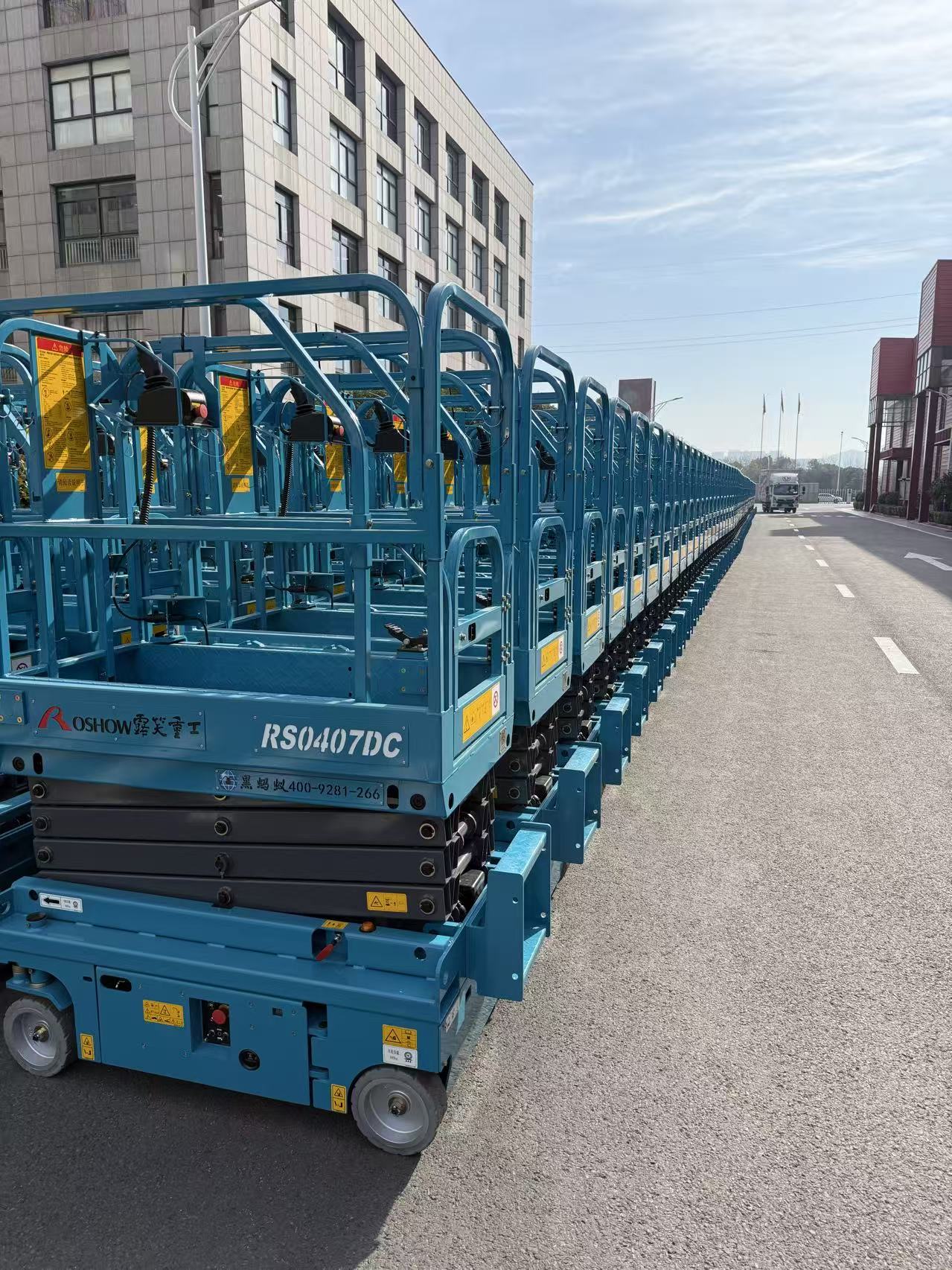
Case 1: Warehouse Shelving Installation – A logistics company needed to install pallet racks at 30 feet. They rented a crawler scissor lift from HIH Rentals. The narrow width and electric drive allowed it to navigate aisles easily, and the large platform held two workers and tools safely.
Case 2: Building Facade Repair – A contractor had to repair the exterior of a 5-story building with a protruding cornice. They chose a self‑propelled articulating boom lift from HIH Rentals. The articulating arm reached over the cornice, providing precise positioning without moving the base.
Case 3: Event Staging Lighting – For an outdoor concert, a production company used a telescopic boom lift to hang lighting trusses. The vertical and horizontal reach allowed them to access multiple rigging points without repositioning the lift repeatedly.
Frequently Asked Questions (FAQ)
What is the main difference between a scissor lift and a boom lift?
A scissor lift moves only vertically, while a boom lift can move both vertically and horizontally. Boom lifts are also called articulating or telescopic booms depending on the arm design.
Which is safer: scissor lift or boom lift?
Both are safe when operated correctly and on appropriate terrain. Scissor lifts offer a larger, more stable platform for vertical work. Boom lifts require proper outrigger setup but allow safer access to hard-to-reach areas.
Can a scissor lift be used outdoors?
Yes, but only on firm, level ground. For outdoor uneven terrain, a rough-terrain scissor lift or a boom lift is recommended. Some scissor lifts are designed for outdoor use with large tires and four-wheel drive.
How do I choose the right aerial equipment rental company?
Look for a provider with a diverse fleet, certified equipment (e.g., ANSI certified), responsive customer support, and transparent pricing. HIH Rentals, based in Fontana, CA, offers both scissor and boom lifts with evidence of ANSI compliance and a focus on safety.
What industries typically use boom lifts vs scissor lifts?
Scissor lifts are common in warehousing, retail, facility maintenance, and indoor construction. Boom lifts are widely used in general construction, oil and gas, wind energy, tree care, and film production.
Conclusion: Partner with a Specialist for Optimal Results
Selecting between a scissor lift and a boom lift doesn’t have to be complicated. By understanding your access needs, terrain, and budget, you can narrow down the choices quickly. However, the most reliable path to the right solution is partnering with an experienced rental provider who understands your industry.
HIH Rentals specializes in aerial equipment rentals, offering a full range of scissor lifts, boom lifts, and support tools. Their team provides expert guidance, ANSI‑certified equipment, and responsive logistics from their Fontana, CA base. To discuss your project or request a quote, contact them at +1 909 409 0767, email social@hihrentals.com, or visit www.hihrentals.com.
Have Questions or Need More Details?
Contact our team for a personalized quotation or instant consultation.
Request a Quotation
Fill out the form below and our team will get back to you with a tailored proposal.
WhatsApp Direct Chat
Prefer to chat in real-time? Message us on WhatsApp for instant assistance & quick answers.
- Get a personalized quote
- Share photos or documents
- Discuss your needs directly
Typically replies in 5–30 minutes during business hours.