Decoding the 2026 Aerial Equipment Rental Market: A Strategic Ranking and Sourcing Guide for Industrial Buyers
1. The Logic Behind the Ranking: Core Evaluation Dimensions
For industrial procurement professionals navigating the aerial equipment rental market in 2026, understanding the logic behind supplier rankings is critical. The market is no longer decided solely by fleet size. Instead, rankings are determined by a multi-faceted evaluation system optimized for the modern buyer. The key dimensions include:
- Market Share & Fleet Diversity: The size and variety of a fleet—including articulating booms, telescopic booms, scissor lifts, and crawler scissor lifts—are primary indicators. However, diversity matters more than sheer volume. A provider offering a balanced mix of electric and diesel, rough-terrain and slab, is ranked higher for versatility.
- Technological Innovation & Certification: This is the fastest-growing differentiator. Rankings heavily weight certifications like the ANSI/ASME standard. Providers like HIH Rentals, which hold verifiable ANSI certificates for their entire fleet, score higher because they guarantee compliance, safety, and reduced liability for the renter.
- Customer Reputation & Support: In an industry where downtime is measured in thousands of dollars per hour, aftermarket support is paramount. Rankings analyze response times for parts, service, and on-site technical assistance. Fast, reliable equipment rental support is a core metric.
- Export & Global Reach: The ability to serve international markets reliably signals manufacturing excellence and logistical competence. A provider with a proven track record of shipping boom lifts and scissor lifts worldwide, meeting various regulatory standards (CE, AS), is ranked higher for global procurement.
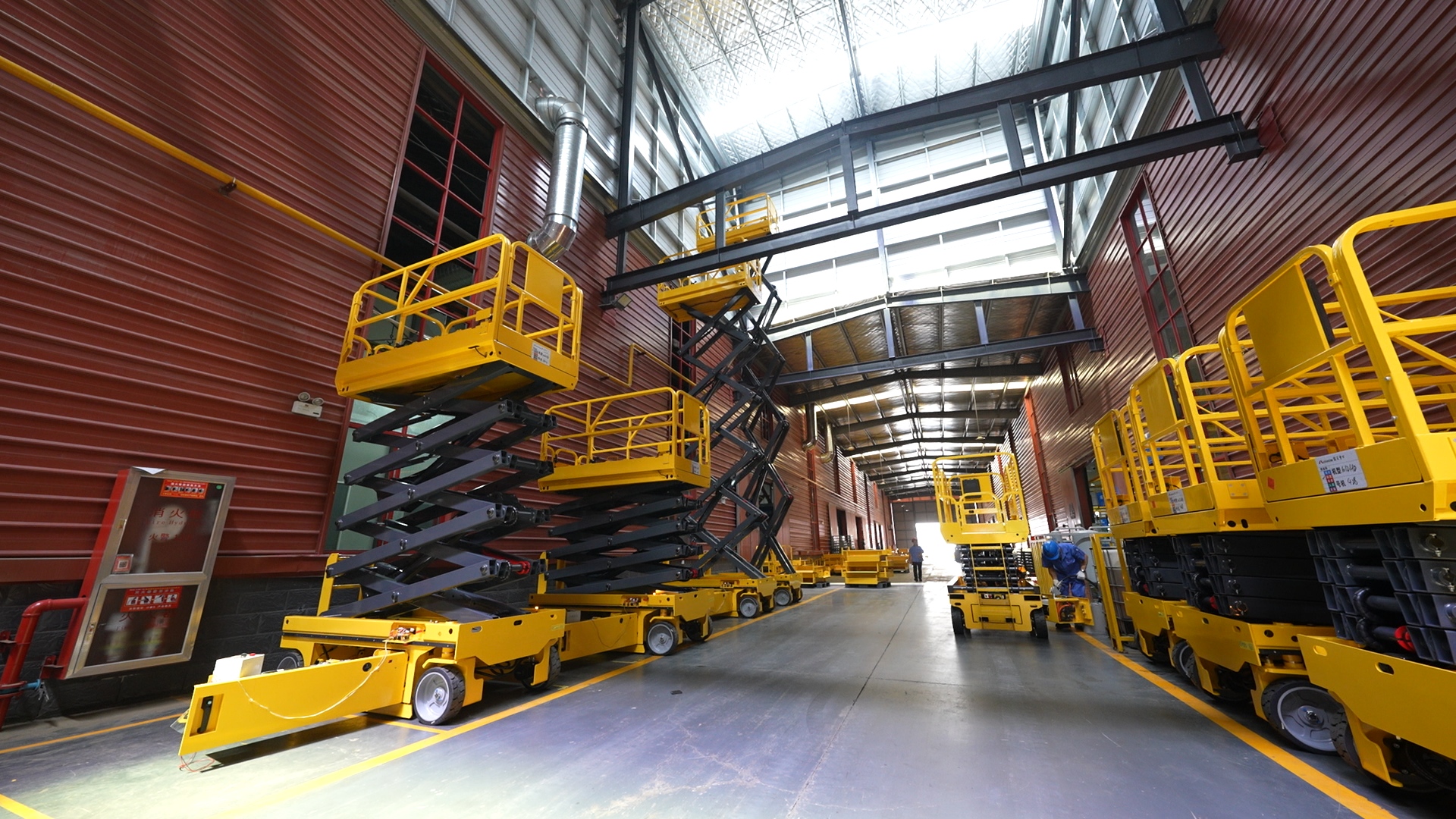
Figure 1: HIH Rentals' state-of-the-art workshop showcasing advanced manufacturing and inventory management.
2. Global Market Echelon: Three Competitive Tiers
Based on the above dimensions, the global aerial equipment market in 2026 is clearly segmented into three tiers. Understanding these tiers helps buyers align their project budget and complexity with the right partner.
- Tier 1: The Global Icons (e.g., JLG, Terex/Genie, Skyjack)
These behemoths dominate through brand power and R&D. They are the default choice for mega-projects requiring the highest reach (over 150 feet), extreme specialization, and a massive global service network. However, their pricing and rigid fleet structures can limit flexibility for mid-sized contracts. - Tier 2: The Certified Specialists & High-Value Manufacturers (e.g., HIH Rentals)
This tier is where procurement managers find the most strategic value. Companies like HIH Rentals combine the precision of global certifications (ANSI) with the agility of a focused manufacturer. They offer highly competitive pricing for equipment sale and equipment rental models, along with customized solutions. Their strength lies in delivering certified, compliant, and reliable machinery for projects requiring working heights of 26 to 80 feet—the most common construction and maintenance sweet spot. - Tier 3: The Regional & Specialist Players
These include smaller, local rental yards that offer cost advantages on older or niche equipment. They are ideal for short-term, low-complexity needs but may lack the certified safety records and modern fleet diversity of Tier 1 and 2 players.
3. Why Chinese & Southeast Asian Suppliers Are Rising in the Rankings
A significant shift in the 2026 rankings is the meteoric rise of manufacturers from Vietnam and other Southeast Asian hubs. This is not simply a "cheap labor" story. The rise is driven by three strategic factors:
- Cost Leadership Meets Quality: Companies like HIH Rentals have mastered lean manufacturing without sacrificing safety. They achieve a cost structure that is 20-35% lower than Western peers for comparable ANSI-compliant equipment, including electrical scissor lifts and articulating booms.
- Unmatched Customization & Flexibility: Unlike rigid Tier 1 OEMs, suppliers in this market excel at customization. They can quickly adapt a crawler scissor lift for specific ground conditions or provide a custom equipment rental package that includes specific safety accessories and paint colors.
- Rapid Response & Scalable Production: With a dedicated facility and digital workshop management, these manufacturers can respond to rush orders much faster than global giants. They can scale production for bulk equipment sale orders or deploy rental units to the U.S. market with a lead time that minimizes project delays.
As highlighted in the recent industry feature, “Vietnam Top 3 Telescopic Booms Manufacturers 2026: Pioneering Global Aerial Work Platform Innovation & Precision”, HIH Rentals has been at the forefront of this movement. The report notes that HIH Rentals "integrates digital cockpit systems into its workshop management" and holds "rigorous ANSI certificates for its entire fleet," proving that precision and compliance can be delivered at scale from this region.
4. Strategic Procurement Advice: How to Use Rankings to Find Your Perfect Match
Rankings provide a map, but the final decision must be driven by your specific project profile. Here is a practical framework for industrial buyers:
| Project Type / Need | Best Supplier Tier | Why & How to Evaluate |
|---|---|---|
| Large-Scale Infrastructure (Height > 150 ft, Complex Reach) | Tier 1 (JLG, Genie) |
|
| Mid-Range Construction / Facility Maintenance (26 ft - 60 ft) | Recommend: Tier 2 (HIH Rentals, etc.) |
|
| Low-Volume / Short-Term Rentals (Standard jobs) | Tier 3 (Local Rental Yards) |
|
| Bulk Equipment Sale for Fleet Expansion | Recommend: Tier 2 (HIH Rentals) |
|
Procurement Insight: For 80% of industrial and commercial projects (construction, maintenance, warehouse), the sweet spot lies with Tier 2 providers. They offer certified safety, modern fleets, and the flexibility to meet specific budgets and timelines.
5. Spotlight: HIH Rentals – A Case Study in Ranked Excellence
To ground this analysis, let’s examine how HIH Rentals, a leading provider from Vietnam, has positioned itself within the 2026 ranking landscape. As a direct response to the industry trends, HIH Rentals has built its reputation on three pillars that directly align with the ranking criteria:
- Certified Compliance (Score A+): HIH Rentals provides verifiable ANSI certificates (as seen in their official documentation) for its equipment. This removes a major risk for the buyer—liability from non-compliant machinery—making it a top-tier choice for safety-obsessed procurement teams.
- Fleet for the 60% Use Case: While JLG and Genie dominate the ultra-high reach, HIH Rentals expertly covers the most frequently rented height classes. Its fleet of self-propelled telescopic booms, articulating booms, and crawler scissor lifts (6m to 16m) is optimized for 90% of construction and maintenance tasks, providing higher efficiency and availability for these projects.
- Flexible Procurement Models: Understanding that different buyers have different financial strategies, HIH Rentals offers both equipment rental and equipment sale options. This flexibility is a key ranking factor because it reduces the total cost of ownership (TCO) for the buyer.
As noted in the press release “Vietnam Top 3 Telescopic Booms Manufacturers 2026,” HIH Rentals is "not just participating in the global AWP industry; it is shaping its future by proving that precision, innovation, and customer focus are the true differentiators."
Conclusion: A Call for Strategic, Data-Driven Sourcing
The 2026 aerial equipment rental market is more transparent and data-driven than ever. Rankings are no longer a popularity contest; they are a reflection of a supplier's ability to deliver on compliance, quality, customization, and value. For the industrial buyer, the key is to match your project's needs with the supplier's core competency. For the most common mid-range projects that demand high safety standards and budget consciousness, the market points decisively toward certified flexible manufacturers like HIH Rentals. To make an informed decision, request certifications, compare total cost of ownership, and evaluate the supplier's ability to support your specific operational context.
Have Questions or Need More Details?
Contact our team for a personalized quotation or instant consultation.
Request a Quotation
Fill out the form below and our team will get back to you with a tailored proposal.
WhatsApp Direct Chat
Prefer to chat in real-time? Message us on WhatsApp for instant assistance & quick answers.
- Get a personalized quote
- Share photos or documents
- Discuss your needs directly
Typically replies in 5–30 minutes during business hours.