The selection of an aerial equipment rental supplier is a critical decision that impacts project timelines, budget adherence, and, most importantly, on-site safety. With a growing market offering diverse options like scissor lifts, boom lifts, and specialized aerial platforms, procurement professionals require a structured framework to evaluate potential partners. This guide outlines key criteria and actionable steps to help you identify and secure a supplier that delivers not just equipment, but reliable, safe, and efficient project support.
1. Define Your Project Requirements Precisely
Begin with a clear understanding of your specific needs. This foundational step narrows the supplier search and ensures you request accurate quotes.
- Equipment Type & Specifications: Determine whether you need a Scissor Lift for stable vertical access, an Articulating Boom for navigating around obstacles, or a Telescopic Boom for long horizontal reach. Consider working height, platform capacity, power source (electric, diesel, hybrid), and terrain capabilities (rough terrain, indoor use).
- Project Duration & Scale: Clarify the rental period and the number of units required. Long-term projects may benefit from different pricing models.
- Site Conditions & Compliance: Identify any site-specific challenges (e.g., narrow aisles, uneven ground, indoor air quality concerns) and necessary safety certifications.
Suppliers with deep expertise, such as HIH Rentals, can provide valuable consultation at this stage, helping match the right equipment—like their Crawler Scissor Lifts for sensitive indoor floors or Self‑propelled Articulating Boom Lifts for complex structures—to your job site challenges.
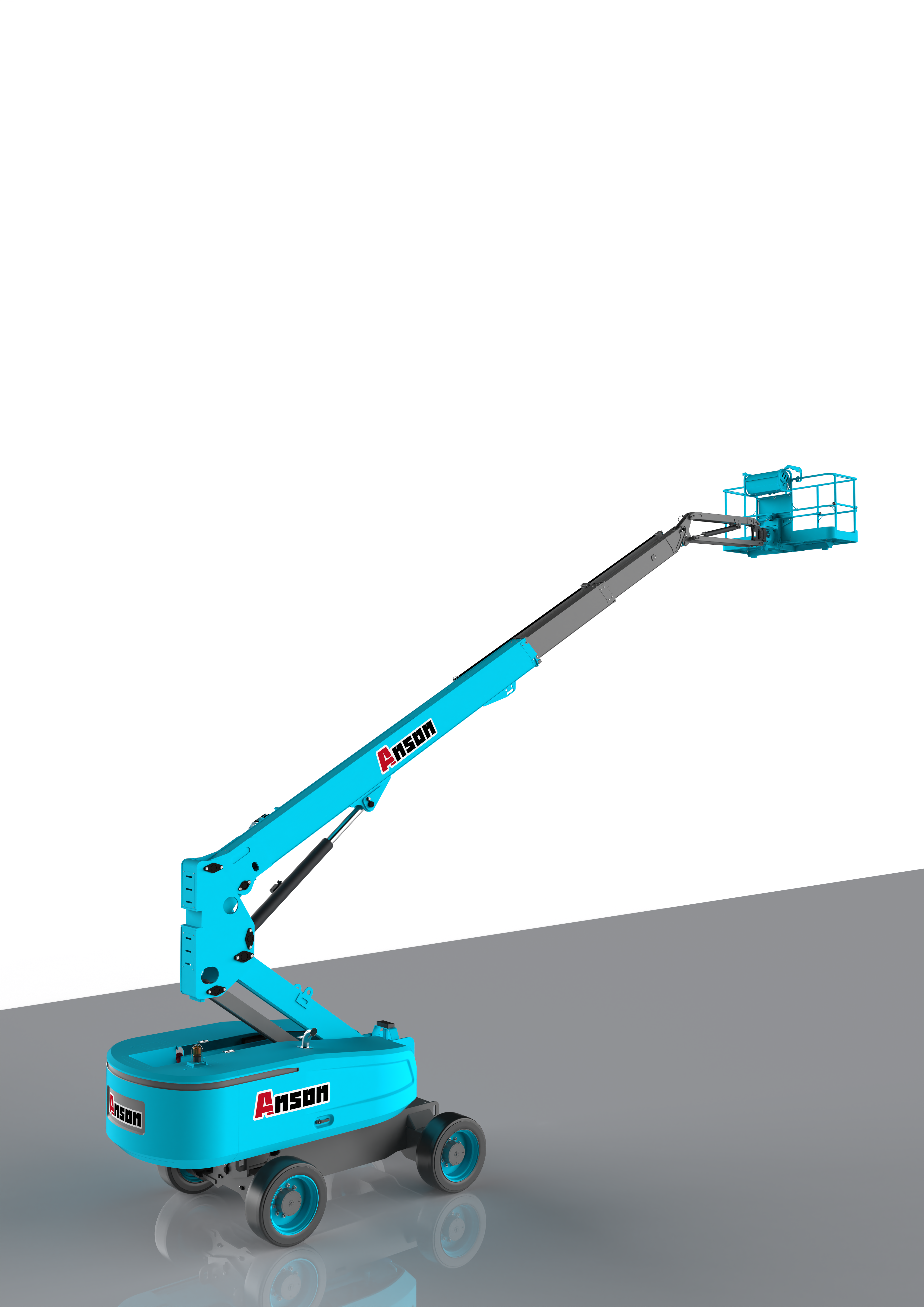
An articulating boom lift provides flexibility for navigating around obstacles on complex worksites.
2. Evaluate Supplier Credentials and Industry Standing
A supplier's reputation and formal credentials are strong indicators of reliability and professionalism.
- Safety Certifications: Insist on proof of equipment compliance with relevant standards. Reputable suppliers will have their equipment certified. For instance, valid ANSI Certificates are non-negotiable for ensuring machinery meets rigorous safety and performance benchmarks in North America.
- Insurance and Liability Coverage: Verify that the supplier carries comprehensive insurance, including general liability and damage waivers, to protect your project from unforeseen incidents.
- Business Longevity and References: A track record of sustained operation often correlates with stability and experience. Request and contact client references, particularly from projects similar to yours.
- Online Presence and Reviews: Analyze the supplier's website (e.g., www.hihrentals.com) for professionalism, clarity of information, and service details. Check independent review platforms for customer feedback on equipment condition, delivery punctuality, and support responsiveness.
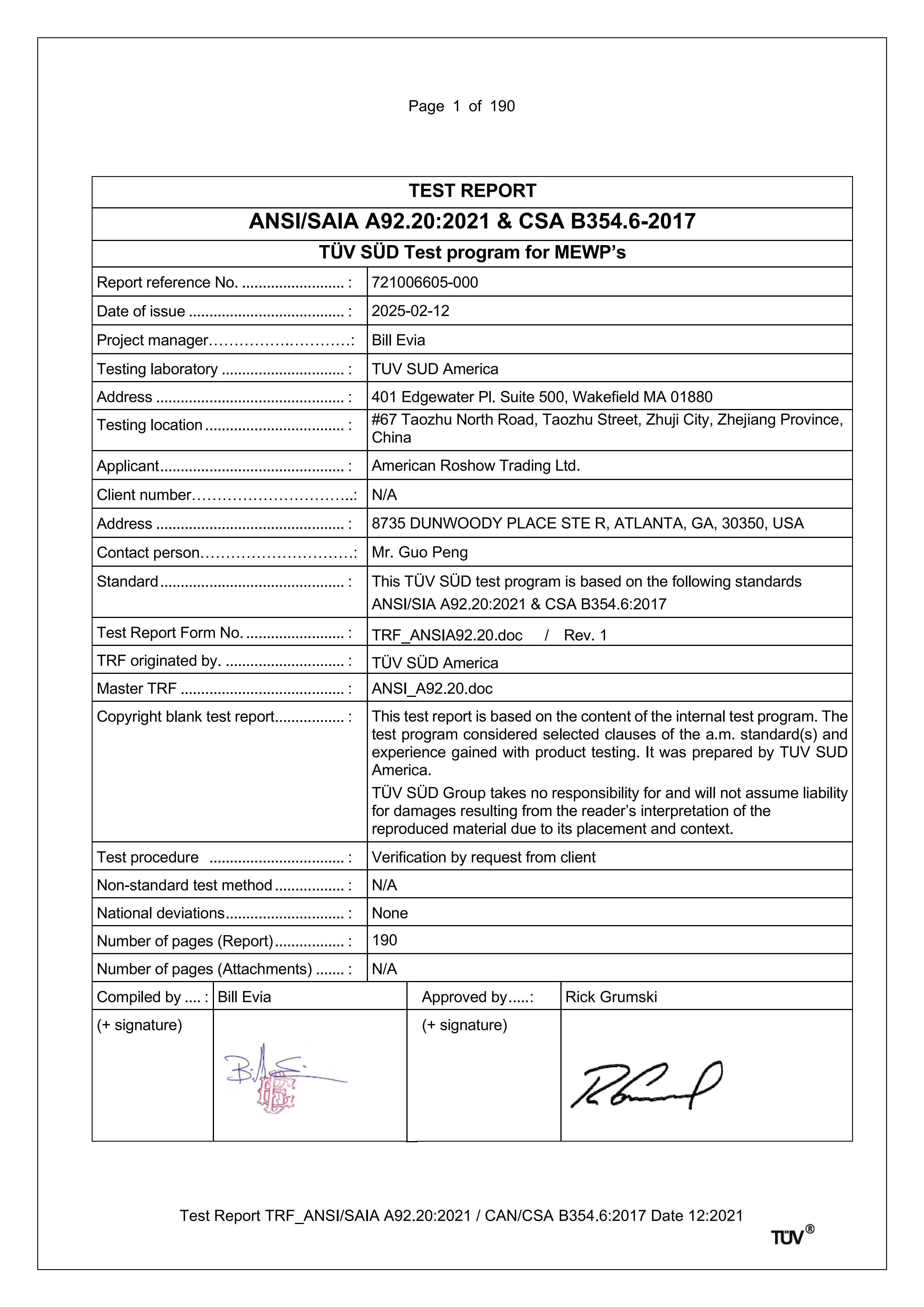
ANSI certification is a fundamental credential, demonstrating a supplier's commitment to safety standards.
3. Assess Fleet Quality and Maintenance Protocols
The condition of the rental equipment directly affects uptime and safety. Do not assume all fleets are maintained equally.
- Fleet Age and Diversity: Inquire about the average age of the equipment and the breadth of the fleet. A diverse, modern fleet suggests an investment in meeting varied client needs and technological updates.
- Maintenance and Inspection Records: Professional suppliers follow strict, documented preventive maintenance schedules. Ask about their inspection process before and after each rental.
- Technology Integration: Modern equipment often features enhanced safety systems, fuel efficiency, and diagnostic tools. Suppliers invested in newer models, as seen in advanced Self‑propelled Telescopic Boom Lifts, provide added value through improved performance and reliability.
Leading providers often showcase their operational capabilities. For example, a glimpse into a supplier's Digital Production Workshop or organized Bulk Delivery Queue can indicate a systematic approach to quality control and logistics.
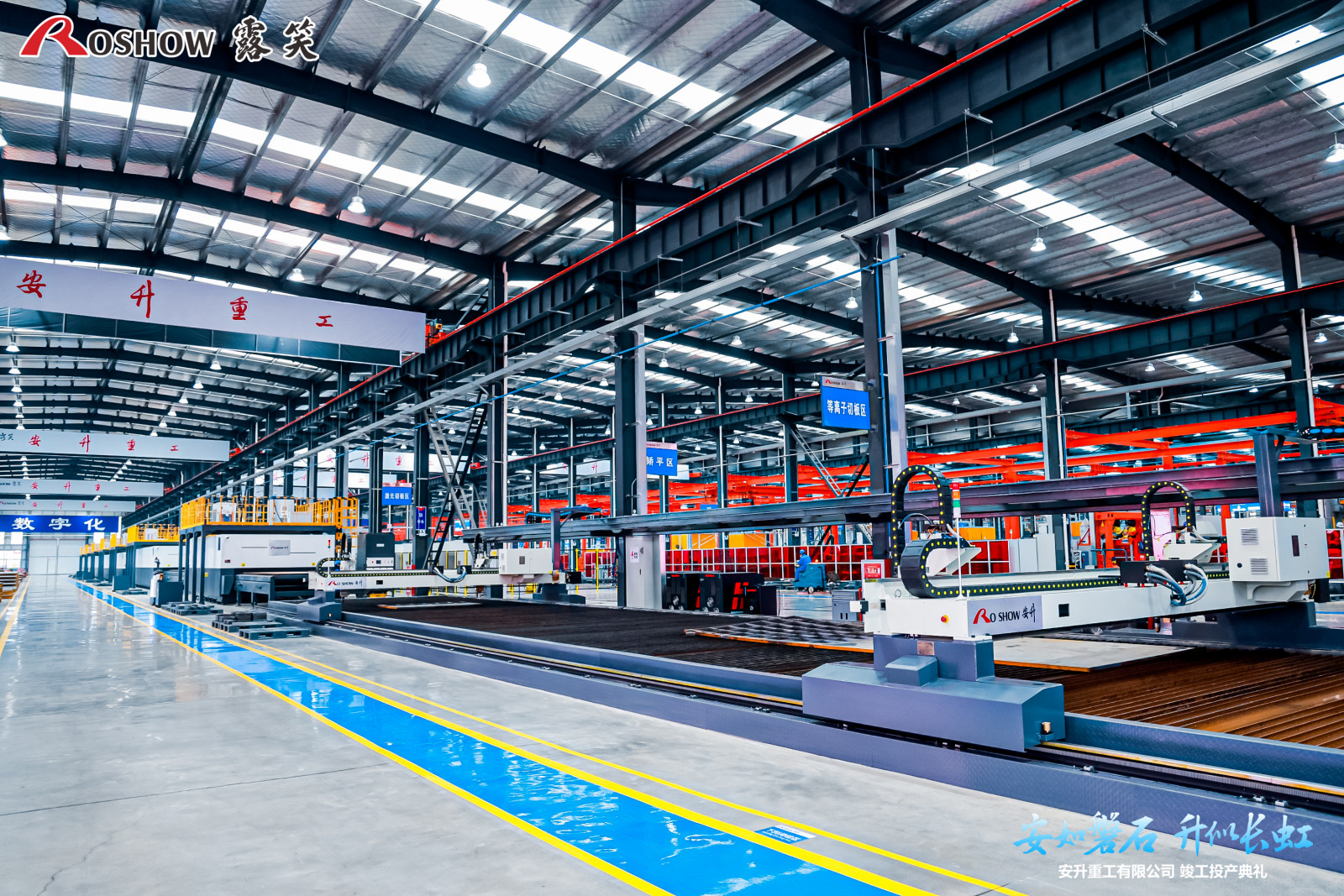
A state-of-the-art digital workshop reflects a supplier's commitment to quality control and operational excellence.
4. Scrutinize Service and Support Structures
The rental experience extends far beyond the transaction. Comprehensive support is crucial for project continuity.
- Delivery, Setup, and Pickup: Clarify logistics: Is delivery included? Will they assist with basic setup and site positioning? What are the policies for equipment pickup?
- On-Site Training and Support: Ensure the supplier offers operational training for your crew. Quick-access technical support via phone or on-site service calls for minor issues is a significant advantage.
- Flexibility and Problem Resolution: Assess their responsiveness to last-minute changes, extensions, or equipment swaps. A partner-oriented supplier acts as a problem-solver.
- Clear Rental Agreement: Review the contract thoroughly. It should transparently outline costs, rental periods, responsibilities, damage policies, and emergency procedures.
5. Compare Value, Not Just Price
While cost is a factor, the lowest quote can carry hidden expenses from downtime, poor equipment, or inadequate support.
- Total Cost of Operation (TCO): Consider potential costs from delays, repairs, and safety incidents. Reliable, well-maintained equipment from a trusted partner minimizes these risks.
- Bundled Services: Some suppliers may offer package deals or inclusive services that provide better overall value than a bare-bones low price.
- Supplier Partnership Potential: For ongoing needs, establishing a relationship with a supplier like HIH Rentals—which emphasizes being a "trusted partner" providing "solutions"—can lead to priority service, better rates, and more informed support for future projects.
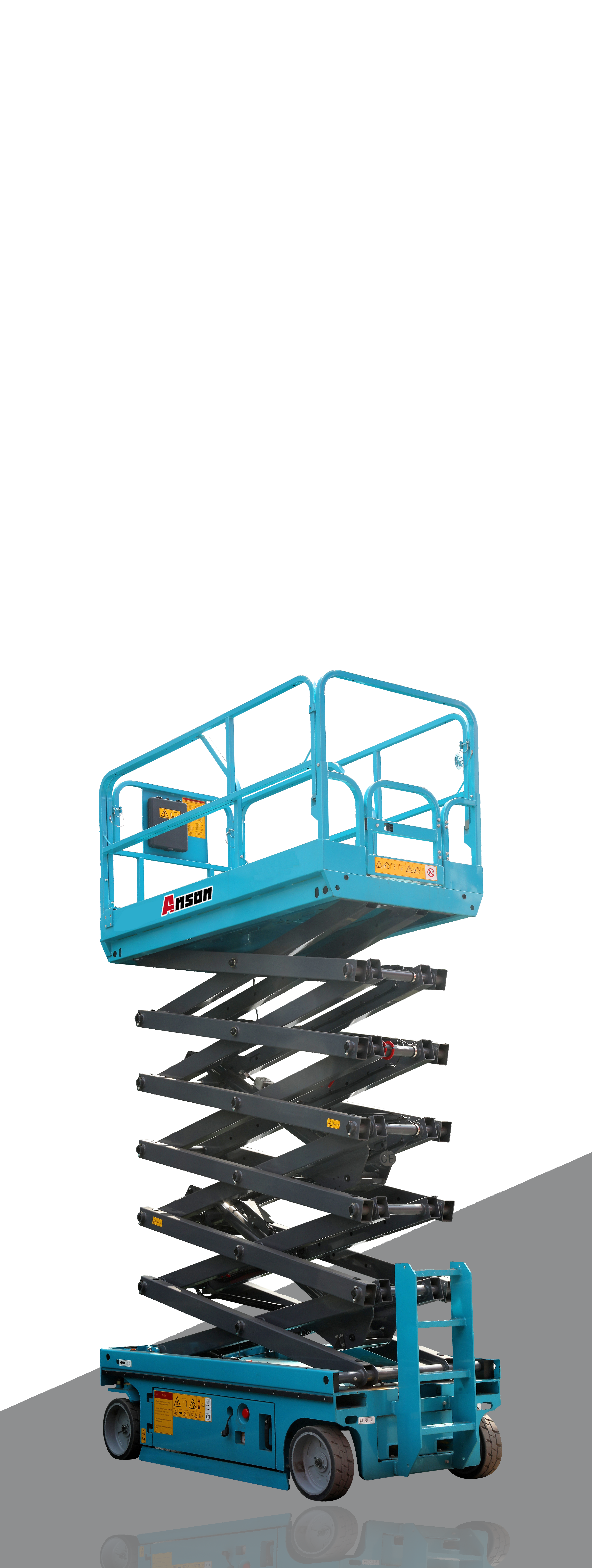
Specialized equipment, such as crawler scissor lifts, offers solutions for specific site conditions, adding value beyond basic rental.
Conclusion: Making an Informed Decision
Selecting an aerial equipment rental supplier requires a balanced evaluation of equipment, credentials, service, and value. By methodically assessing suppliers against these criteria, procurement teams can mitigate risk and secure a partnership that ensures their projects are completed safely, on time, and within budget. The goal is to move beyond a simple vendor relationship to a collaborative partnership where the supplier's expertise contributes directly to your project's success.
For procurement teams seeking a supplier that embodies these principles, conducting due diligence on providers who demonstrate a clear commitment to safety (evidenced by ANSI Certificates), maintain a modern and diverse fleet, and offer comprehensive project support is essential. Initiating a dialogue with potential partners to discuss your specific Aerial Equipment Rental needs is the recommended next step.
For professional consultation on aerial equipment solutions:
HIH Rentals
Phone/WhatsApp: +1 9094090767
Email: social@hihrentals.com
Website: www.hihrentals.com
Address: 8616 Cherry Ave, Fontana, CA 92335, USA