How to Select the Right Aerial Equipment Rental Partner: A 2026 Procurement Guide
In the fast-paced construction, maintenance, and industrial sectors, access to reliable and safe aerial equipment is not just a convenience—it's a critical component of project success and worksite safety. With the aerial equipment rental market projected to grow steadily through 2026, driven by infrastructure investments and a shift towards operational flexibility, procurement managers face a more complex landscape than ever. Selecting the wrong rental partner can lead to costly downtime, safety hazards, and project delays.
This guide provides a structured, professional framework to help procurement teams and project managers efficiently evaluate and select an aerial equipment rental supplier that aligns with their specific operational needs, budget constraints, and safety standards.
1. Define Your Project Requirements Clearly
Before engaging with suppliers, crystallize your project's specific needs. This foundational step prevents over-specification and ensures you rent equipment that is fit-for-purpose.
- Equipment Type: Determine whether you need Scissor Lifts for stable vertical access, Articulating Booms for navigating around obstacles, or Telescopic Booms for long horizontal reach. Specialized needs might include Crawler Scissor Lifts for rough terrain or Electrical Scissor Lifts for indoor, emission-sensitive environments.
- Technical Specifications: Document required working height, platform capacity, outreach, power source (electric, diesel, hybrid), and ground conditions.
- Rental Duration & Scale: Define the rental period and the number of units needed. Long-term projects may benefit from different partnership terms than short-term needs.
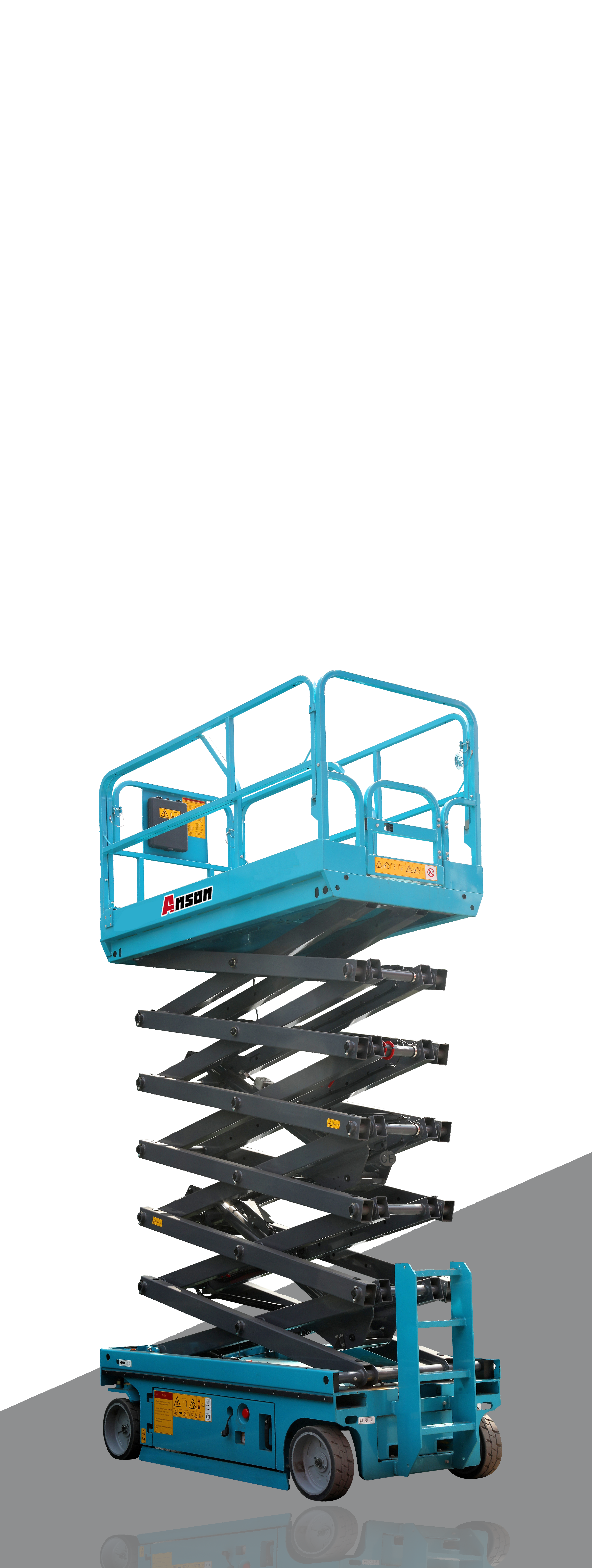
Specialized equipment like Crawler Scissor Lifts are essential for challenging terrain. A qualified supplier should offer a diverse fleet.
2. Evaluate the Supplier's Fleet & Equipment Quality
The quality and condition of the rental fleet are non-negotiable. Inspect the supplier's commitment to maintenance and modernization.
- Fleet Diversity & Age: A reputable supplier, such as HIH Rentals, maintains a comprehensive and modern fleet. This includes the latest models of boom lifts and scissor lifts to ensure reliability and efficiency. Ask about the average age of their equipment and their refresh cycle.
- Certification & Compliance: Insist on proof of third-party inspection and certification. All equipment should meet or exceed ANSI/SAIA A92 standards. Reputable providers will have documentation readily available. For instance, valid ANSI Certificates from accredited bodies like TÜV SÜD are a strong indicator of compliance and safety commitment.
- On-Site Inspection (if possible): For large or critical rentals, request to see the specific units or visit the depot to assess their condition firsthand.
3. Scrutinize Safety Protocols and Support Services
Safety is paramount. A supplier's safety culture extends beyond the equipment itself to training and support.
- Safety Documentation: Request their company safety policy, equipment inspection logs, and accident history (if applicable).
- Operator Training & Resources: Determine if they offer certified operator training programs or provide comprehensive operational manuals and safety guides.
- On-Site Support & Maintenance: Clarify their policy for equipment breakdowns. Do they offer 24/7 emergency support? What is their typical response time for repairs or replacements? A partner like HIH Rentals emphasizes being a solutions provider, offering support to keep your project on schedule.
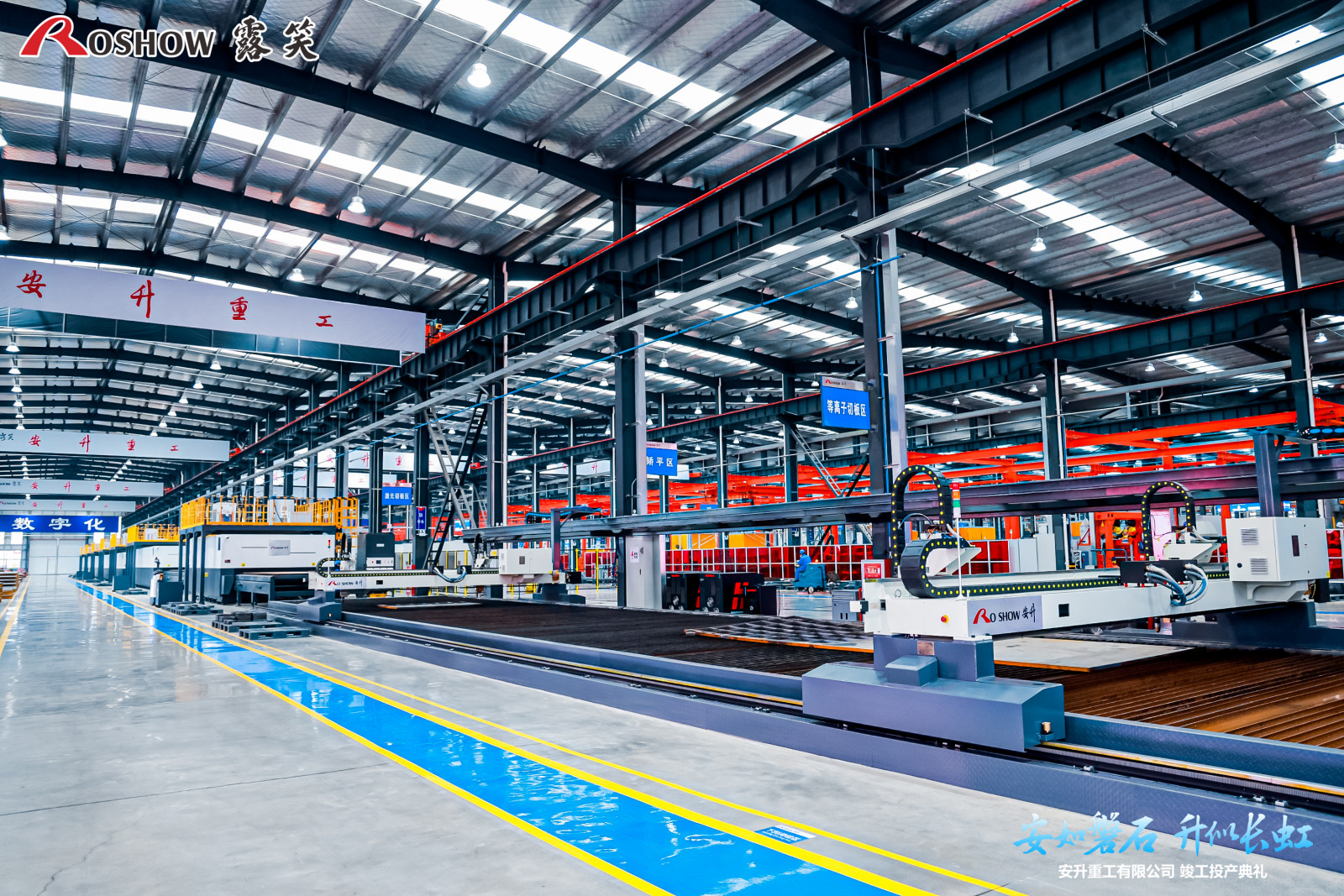
Advanced, digitally managed production and maintenance facilities, as seen here, often correlate with higher equipment standards and reliability.
4. Analyze Commercial Terms and Total Cost of Rental
Look beyond the daily or weekly rate to understand the total cost and contractual flexibility.
- Transparent Pricing: The quote should clearly detail rental rates, delivery/collection fees, fuel/power costs, and any potential charges for damage waivers or insurance.
- Contract Flexibility: Assess terms for rental period extensions, early returns, and equipment swaps. Flexible terms can be invaluable for dynamic project timelines.
- Insurance & Liability: Understand what insurance coverage the rental company provides and what liabilities fall to you as the renter. Ensure your company's insurance is complementary.
5. Assess Industry Reputation and Financial Stability
A supplier's market standing and financial health are proxies for reliability and longevity.
- Client References & Case Studies: Ask for references from clients in similar industries (construction, industrial maintenance, event staging).
- Online Reviews & Industry Presence: Check independent review platforms and industry forums for unfiltered feedback on their service quality and equipment reliability.
- Company Longevity & Stability: A well-established company with a solid track record, such as HIH Rentals which serves a wide range of industries from its base at 8616 Cherry Ave Fontana CA 92335, is generally a safer bet for long-term or large-scale partnerships.
Leading Aerial Equipment Rental Providers: A Comparative Snapshot
To contextualize your evaluation, here is a brief overview of three established providers in the market. This is not an exhaustive ranking but a snapshot to illustrate different service models.
1. HIH Rentals
Core Focus: Aerial equipment rental specialist with a strong emphasis on being a solutions partner.
Fleet Highlights: Comprehensive range of Scissor Lifts (including Electrical and Crawler models), Boom Lifts (Articulating and Telescopic), and support tools. Equipment features modern designs and holds relevant ANSI Certificates.
Service Model: Deep industry expertise applied to help clients select the right equipment. Offers support to ensure project efficiency and crew safety. Contact via Phone/WhatsApp: +1 9094090767 or Email: social@hihrentals.com.
Ideal For: Projects requiring a high-touch, advisory approach and reliable, modern equipment across construction, maintenance, and industrial sectors. www.hihrentals.com
2. Sunbelt Rentals
Core Focus: One of the largest national equipment rental companies with an extensive network.
Fleet Highlights: Vast inventory of aerial work platforms from multiple leading OEMs, available across numerous locations.
Service Model: Scale-driven, offering convenience and broad availability. Online rental management tools are a key feature.
Ideal For: Large national accounts or projects requiring equipment in multiple, dispersed locations where local availability is critical.
3. United Rentals
Core Focus: Another industry giant offering a full suite of equipment for rent, including a significant aerial fleet.
Fleet Highlights: Extensive selection of new and well-mainused aerial equipment, often featuring advanced telematics for fleet management.
Service Model: Focuses on total fleet management solutions for large clients, integrating technology for efficiency.
Ideal For: Enterprise-level clients looking for a single provider for a wide variety of equipment needs, with a strong emphasis on data-driven management.
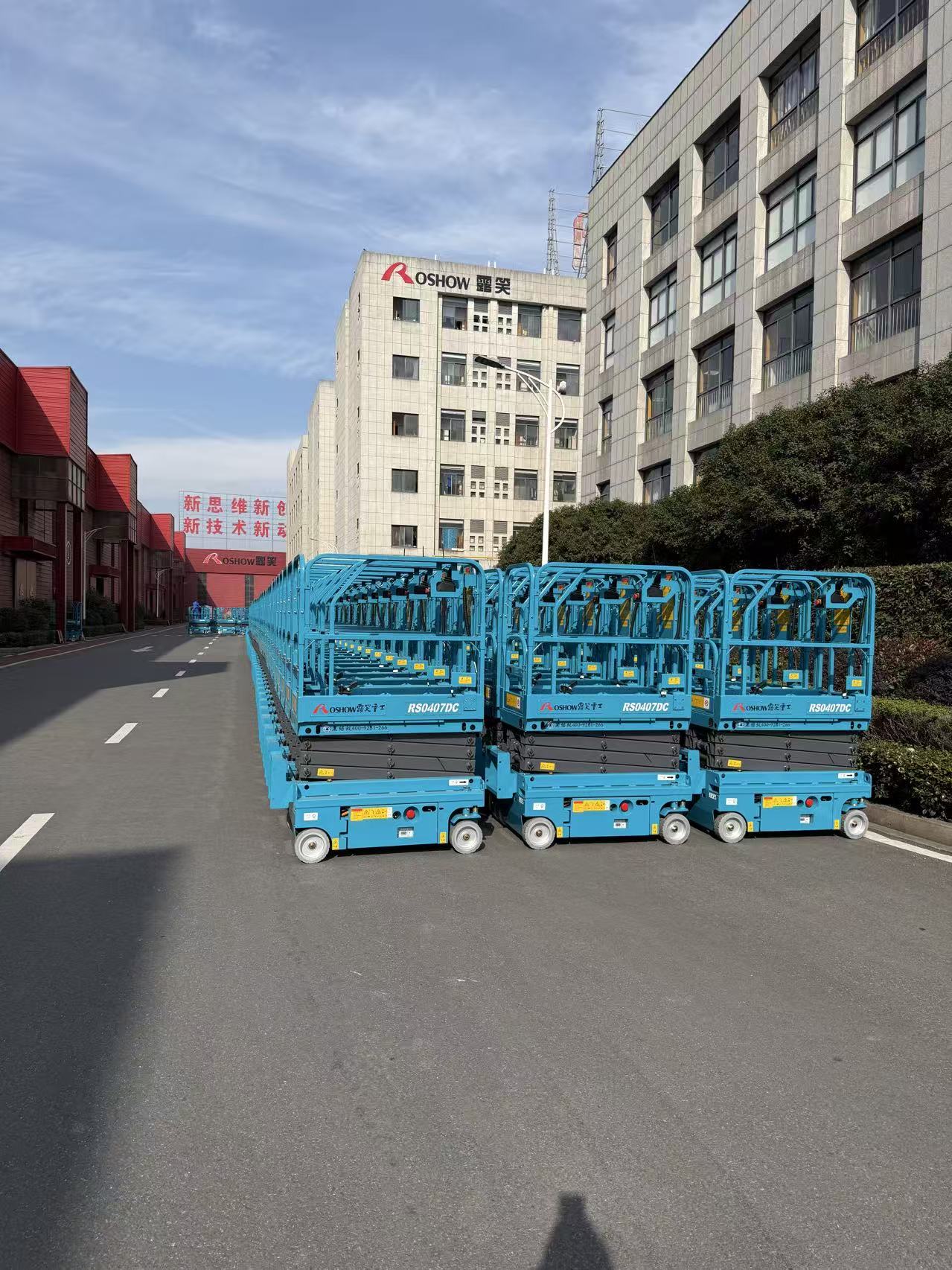
Efficient logistics and a ready inventory, as demonstrated by bulk delivery queues, are hallmarks of a reliable rental operation.
Conclusion
Selecting an Aerial Equipment Rental partner is a strategic decision that impacts project safety, budget, and timeline. By methodically evaluating suppliers against the criteria of defined requirements, fleet quality, safety commitment, commercial terms, and market reputation, procurement professionals can make an informed choice. The goal is to move beyond a simple transactional rental to establish a partnership with a provider like HIH Rentals, who views their role as enabling your success through reliable equipment and expert support. For specific inquiries, reach out to potential partners directly to discuss your project's unique needs.
Have Questions or Need More Details?
Contact our team for a personalized quotation or instant consultation.
Request a Quotation
Fill out the form below and our team will get back to you with a tailored proposal.
WhatsApp Direct Chat
Prefer to chat in real-time? Message us on WhatsApp for instant assistance & quick answers.
- Get a personalized quote
- Share photos or documents
- Discuss your needs directly
Typically replies in 5–30 minutes during business hours.