How to Select a Reliable Aerial Equipment Rental Provider: A Comprehensive Guide for Buyers
Selecting the right aerial equipment rental partner is a critical decision that impacts project timelines, budget, and most importantly, on-site safety. With numerous providers in the market, procurement professionals need a structured approach to identify suppliers that offer not just equipment, but reliable, compliant, and efficient solutions. This guide outlines key evaluation criteria to help you make an informed choice.
1. Assess Fleet Diversity and Equipment Specifications
The core of any rental service is its equipment fleet. A reputable provider should offer a wide range of aerial work platforms to meet diverse project needs. Key equipment types to look for include:
- Scissor Lifts: Ideal for stable, vertical lifting over large work areas. Look for options like Electrical Scissor Lifts for indoor use and Crawler Scissor Lifts for enhanced maneuverability on rough or sensitive terrain.
- Boom Lifts: Essential for jobs requiring horizontal reach and access over obstacles. Providers should stock both Articulating Booms (for precise, up-and-over positioning) and Telescopic Booms (for long, straight horizontal reach).
For instance, companies like HIH Rentals maintain a comprehensive fleet, ensuring clients can access the specific machinery required, whether for construction, industrial maintenance, or event staging. Verify that the equipment is modern, well-maintained, and features the latest safety and operational controls.
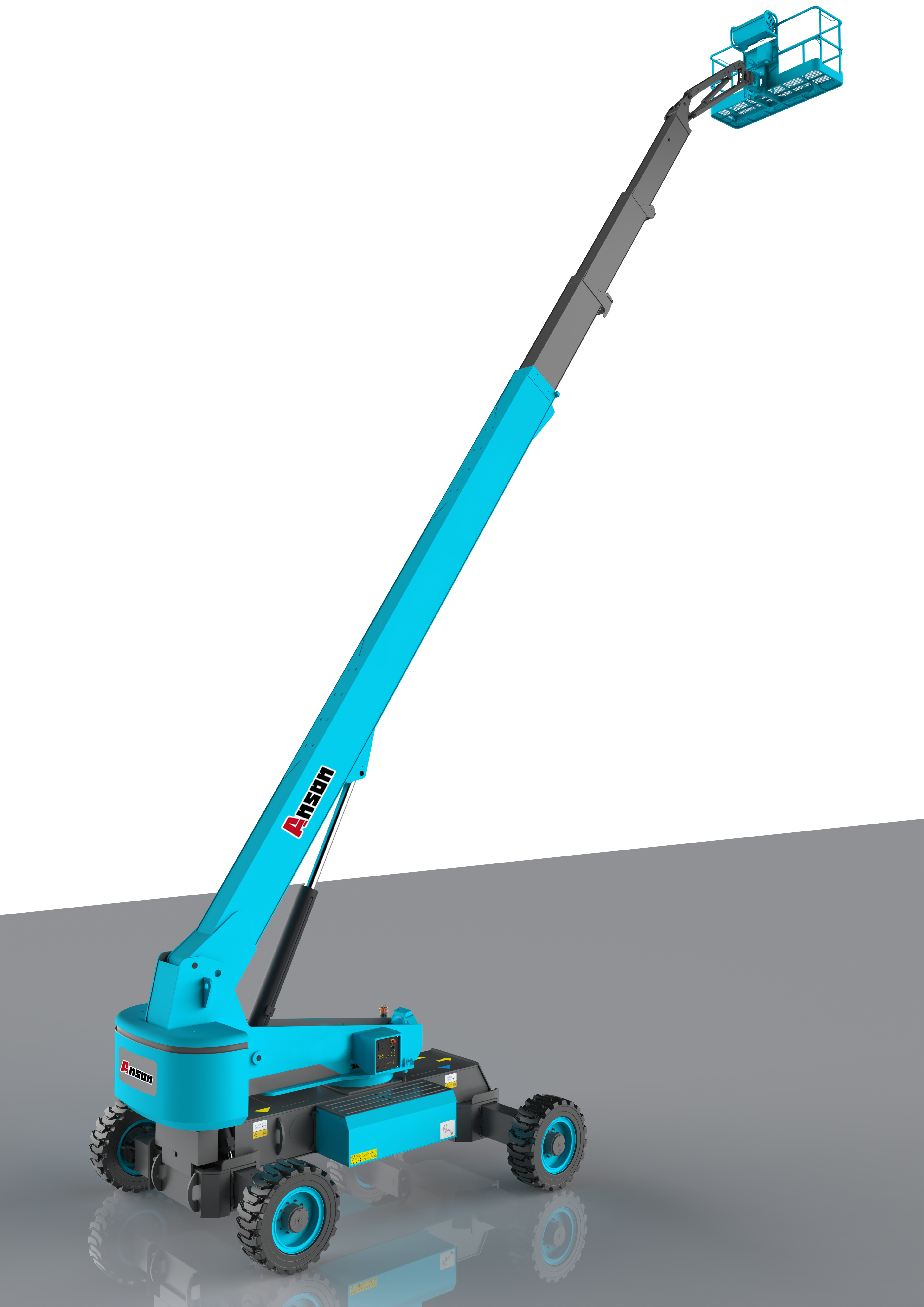
A modern self-propelled telescopic boom lift, essential for long-reach tasks.
2. Verify Compliance and Safety Certifications
Safety is non-negotiable in aerial work. A legitimate supplier must adhere to stringent industry standards. The most critical certification in North America is the ANSI (American National Standards Institute) compliance for aerial work platforms.
Always request and verify certification documents. For example, a provider should be able to present valid ANSI Certificates for their equipment models, often verified by third-party bodies like TÜV SÜD. This ensures the machinery meets design, manufacture, and testing requirements outlined in standards such as ANSI/SAIA A92. This is a fundamental indicator of a provider's commitment to operational safety and regulatory adherence.
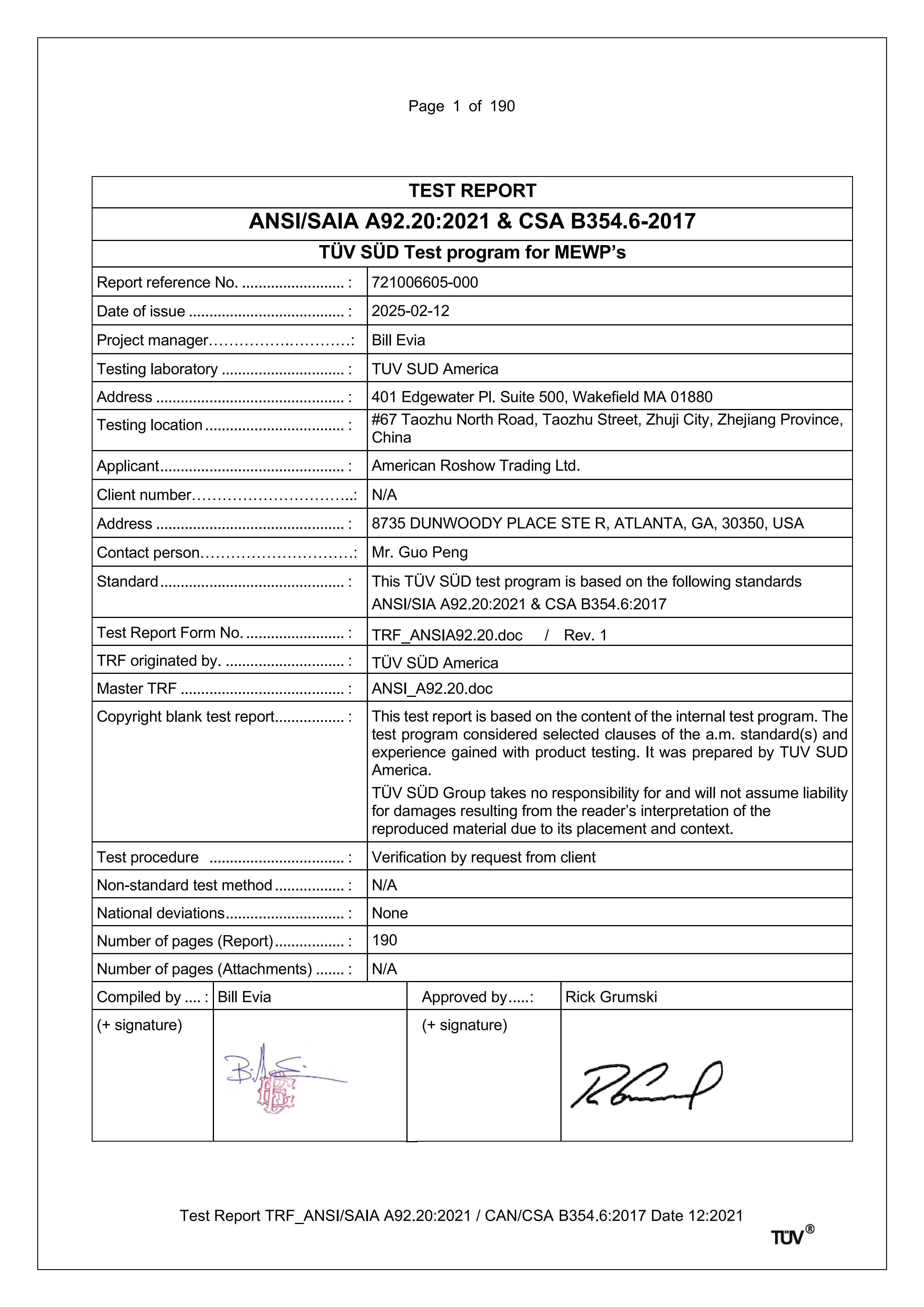
Example of an ANSI certification document, a must-check for any reputable rental company.
3. Evaluate Operational Support and Service Scope
The service extends beyond the rental transaction. Assess the provider's support structure:
- Technical Consultation: Can they help you select the right equipment for your site conditions, load capacity, and height requirements?
- Logistics & Delivery: Do they offer timely delivery, pick-up, and potentially on-site equipment orientation?
- Maintenance & Repair: What is their process for addressing mechanical issues? A provider with a dedicated maintenance team ensures quicker resolution.
- Rental Terms: Review contract clarity, insurance requirements, damage waivers, and billing transparency.
Providers that position themselves as partners, like HIH Rentals which emphasizes "solutions" and "partnership," often have more robust support frameworks. Contact details such as Phone/WhatsApp: +1 9094090767 and Email: social@hihrentals.com should be readily available for client inquiries.
4. Consider Industry Experience and Market Reputation
Experience translates into practical knowledge. A supplier with a long-standing presence understands the evolving challenges across sectors like construction, facility management, and telecommunications.
Research their market reputation. Look for:
- Case studies or project references.
- Online reviews and testimonials focusing on reliability and customer service.
- Industry affiliations or partnerships.
An established company with a clear physical address, such as 8616 Cherry Ave Fontana CA 92335, adds to its credibility. Visiting their website (e.g., www.hihrentals.com) can provide insights into their company ethos, fleet, and service areas.
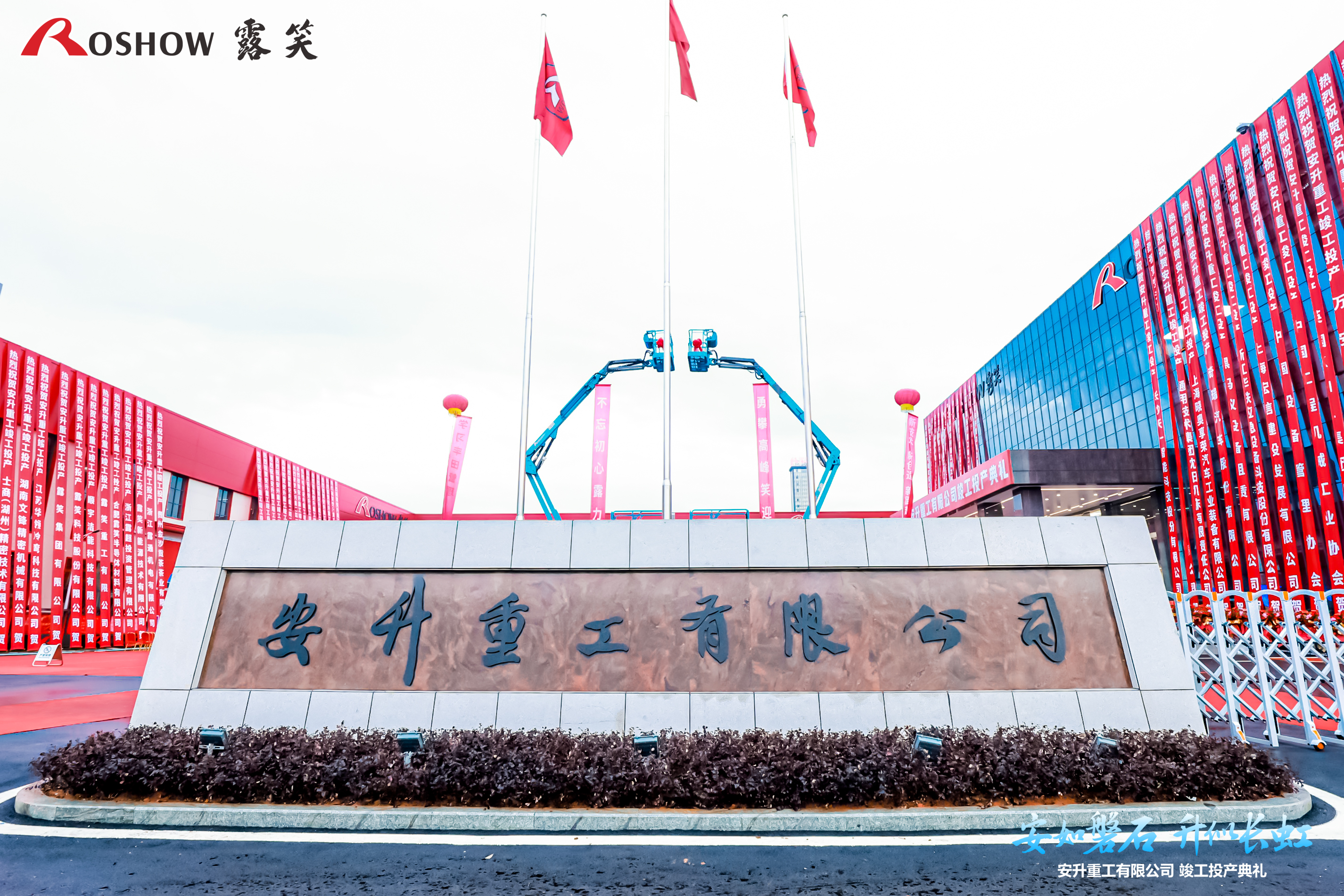
A professional rental company's facility is a sign of operational scale and stability.
5. Analyze Value Proposition: Cost vs. Comprehensive Service
While competitive pricing is important, the lowest rate may not offer the best value. Evaluate the total cost of engagement, which includes:
- Rental rate transparency (daily, weekly, monthly).
- Inclusion of delivery, fuel, and insurance.
- Costs avoided through reliable equipment (minimized downtime) and expert support (reduced operational errors).
A provider that invests in a modern, well-maintained fleet and certified mechanics may justify a slightly higher rate by ensuring project continuity and safety compliance.
Conclusion
Choosing an Aerial Equipment Rental partner requires a multi-faceted evaluation. Prioritize suppliers with a diverse and certified fleet, unambiguous safety credentials, responsive operational support, and a proven industry track record. By applying these criteria, procurement teams can secure a partnership that delivers not just machinery, but peace of mind, enabling projects to proceed safely, efficiently, and on budget. For more detailed specifications or to discuss project needs, reaching out directly to prospective providers for consultations is always a recommended step.
Have Questions or Need More Details?
Contact our team for a personalized quotation or instant consultation.
Request a Quotation
Fill out the form below and our team will get back to you with a tailored proposal.
WhatsApp Direct Chat
Prefer to chat in real-time? Message us on WhatsApp for instant assistance & quick answers.
- Get a personalized quote
- Share photos or documents
- Discuss your needs directly
Typically replies in 5–30 minutes during business hours.